Enjoy Coffee at Lakeside: 5 Coffee Fun Facts
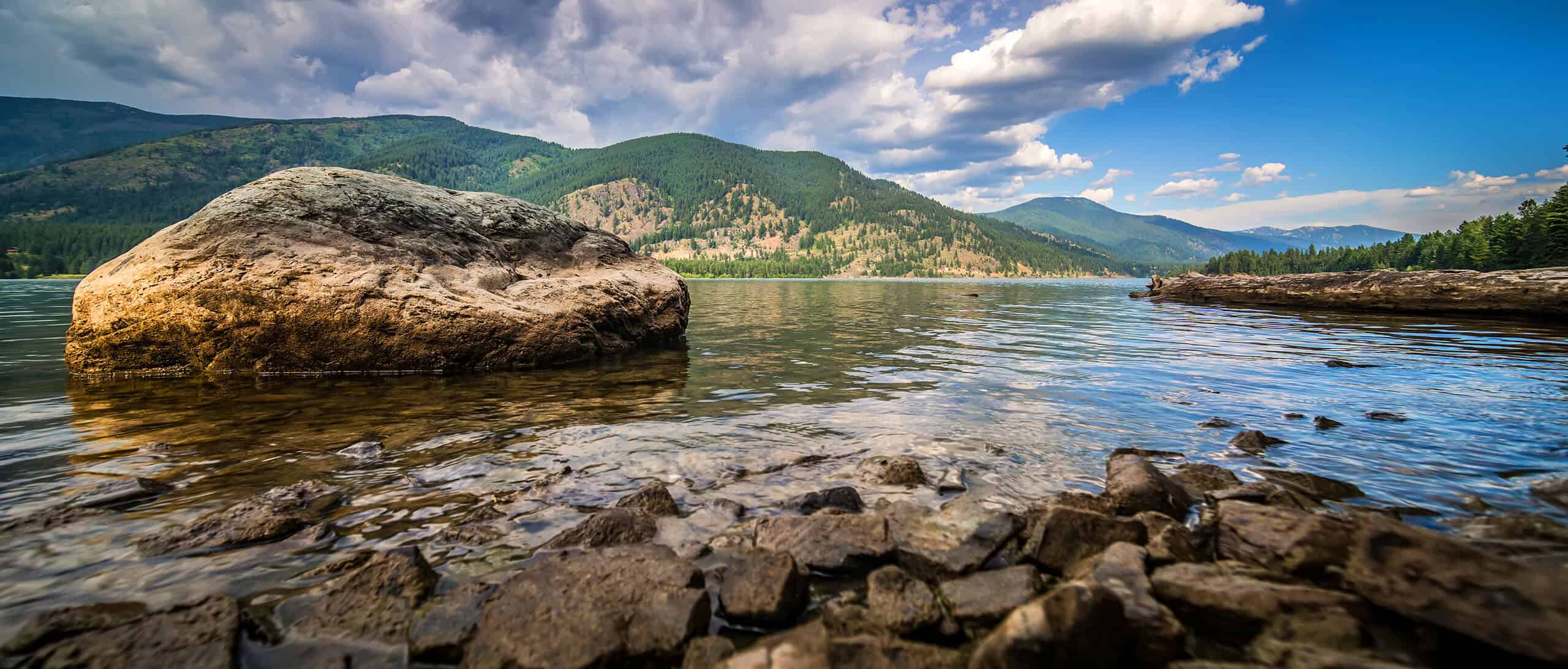
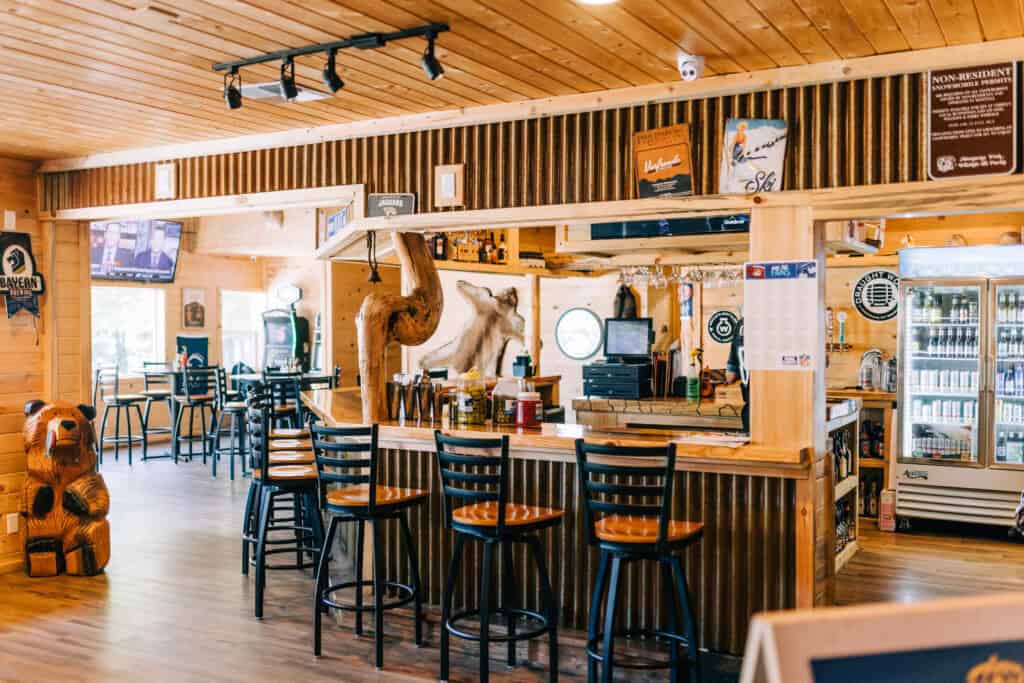
For people in the Trout Creek area and travelers passing through, Lakeside Motel & Resort has recently opened The Frothy Moose, a welcoming “bar” serving espresso drinks, blended coffee drinks, on-the-go food items, and ice cream. Whether you are starting your morning before a day on Noxon Reservoir or grabbing an afternoon pick-me-up, The Frothy Moose is a convenient stop right on the property at Lakeside.

With that fresh aroma of espresso in the air, it feels like the perfect time to share a few coffee fun facts. Coffee has a long and fascinating history, and learning just a little about it can make that next cup even more enjoyable.

Here are five coffee fun facts drawn from coffee history and culture resources.

1. One Origin Story Involves Energized Goats

One of the most interesting coffee fun “facts” begins in Ethiopia around 800 AD and is believed to be more of a legend. According to the story, a goatherd named Kaldi noticed that his goats became unusually energetic after eating berries from a particular shrub/tree. The animals were lively and restless through the night.

Curious about this effect, Kaldi reportedly brought the berries to a local monastery. At first, the monks were wary. But after trying to burn the berries and then deciding to keep them, they created a drink that helped them remain awake and attentive during long hours of nightly prayer and devotion.

From there, knowledge of the energizing beverage spread across regions and cultures. While the story of Kaldi is considered more a legend rather than documented history, it remains one of the most widely shared coffee fun “facts” and highlights how coffee’s stimulating qualities were recognized early on.

Today, when guests at The Frothy Moose enjoy an espresso drink or a blended coffee drink, they are participating in a tradition that may trace its roots back more than a thousand years.

2. Coffee Is a Fruit

Another surprising coffee fun fact is that coffee is technically a fruit.

Although we often refer to coffee “beans,” they are actually the seeds of a berry known as a “coffee cherry.” These berries grow on coffee trees and typically contain two seeds inside. After harvesting, the outer fruit is removed, and the seeds are processed and dried. Those seeds or “beans” are what we eventually roast, grind, and brew.

According to the National Coffee Association, an average coffee tree can produce roughly 10 pounds of coffee cherries in a year. That equates to about 2 pounds of green, unprocessed beans.

This fruit origin is one of those coffee fun facts that can change how you think about your morning cup. The next time you sip an espresso or a latte, you are enjoying something that began as a vibrant fruit on a tree.

3. Theodore Roosevelt Was an Avid Coffee Drinker

History is filled with notable coffee enthusiasts, and one of the most famous American coffee drinkers was Theodore Roosevelt.

Roosevelt, the 26th President of the United States, is believed to have consumed extraordinary amounts of coffee—reportedly as much as a gallon per day. While the exact quantity may be uncertain, there is little doubt that he had a strong preference for coffee.

Another one of the enduring coffee fun facts tied to Roosevelt involves the phrase “Good to the Last Drop.” The saying is widely associated with Maxwell House Coffee. Tradition holds that Roosevelt used this phrase after drinking the coffee at the historic home of Andrew Jackson (the Hermitage) in Tennessee. This phrase would become the well-known slogan for Maxwell House.

Whether or not the details of the story can be verified, it can serve as one of the most notable coffee fun facts and may help demonstrate coffee’s long-standing role in public life and leadership.

4. There Is a Guinness World Record for Largest Cup of Coffee

If you enjoy large mugs of coffee, this next item may surprise you. One of the more dramatic coffee fun facts involves a world record.

On December 10, 2022, in Guanajuato, Mexico, the world’s largest cup of coffee was created. The massive serving contained roughly 26,939 liters of coffee. That staggering volume earned a Guinness World Record and demonstrated just how globally appreciated coffee truly is.

To put that in perspective, 26,939 liters would fill 113,865 eight-ounce cups. It is interesting to know that coffee culture can scale to such impressive proportions.

This is one of those coffee fun facts that reminds us that coffee is not just a beverage—it is a worldwide phenomenon.

5. Espresso Is Not a Type of Coffee Bean or Coffee Roast

Many people may think that espresso refers to a special type of bean or a specific roast of coffee. In reality, one of the most important coffee fun facts is that espresso describes a brewing method and the drink that results from it.

Espresso is prepared by forcing nearly boiling water through finely ground coffee under high pressure. The process is fast—usually about 20 to 30 seconds—and produces a concentrated, richly flavored shot of coffee.

Because espresso is concentrated, it has a bold taste and thicker texture compared to regularly brewed coffee. In terms of caffeine content, a one-ounce shot of espresso typically contains around 63 milligrams of caffeine. By comparison, one ounce of standard brewed coffee contains roughly 12 to 16 milligrams of caffeine. However, since brewed coffee is usually served in larger portions, an eight-ounce cup of brewed coffee often contains more total caffeine than a single shot of espresso.

This distinction is one of the more practical coffee fun facts. Whether you prefer a classic espresso shot, a latte, or a blended coffee drink, understanding the brewing method can add depth to the experience.


Great Coffee and a Stay at Lakeside Motel & Resort

For visitors at The Frothy Moose who need to stay the night or longer in Trout Creek, Lakeside Motel & Resort offers flexible accommodations designed to meet a variety of needs. Guests can choose from comfortable motel rooms or cabins with fully equipped kitchens, making it easy to stay a night or settle in for a longer visit. Whether you are traveling solo, as a couple, with family, or with a work group, there is an option that can help fit your needs.

In addition to The Frothy Moose, Lakeside features a convenient on-site restaurant offering breakfast, “all-day,” and dinner menus. This allows guests to enjoy meals without leaving the property. From early morning coffee to a relaxed evening dinner, everything is close at hand.

The resort also includes a gift shop, providing a convenient place to browse souvenirs or pick up essentials during your stay.

Warm Weather Adventures on Noxon Reservoir

During the warmer months, Lakeside Motel & Resort becomes a hub for waterfront activity. One of the highlights is pontoon boat rentals available from the private dock. Guests can rent a pontoon boat and spend the day fishing or exploring the scenic waters of Noxon Reservoir.

Lakeside also offers Summer Sunset Cruise Tours on Noxon Reservoir. These cruises provide an opportunity to relax on the water and take in Montana’s wide skies and peaceful shoreline views.

The resort’s back grounds face Noxon Reservoir, creating a scenic setting for guests to unwind. In warmer weather, garden fire pits are provided daily with complimentary firewood. Guests can gather around the fire in the evening, relax, talk, and gaze at the night sky.

Charcoal and gas grills are also available on the grounds, making outdoor cooking convenient and enjoyable. It is easy to imagine starting the day with espresso and pastries at The Frothy Moose, spending the afternoon on the water, and finishing with a dinner at the restaurant or one you’ve grilled yourself, and a fireside talk by the lake.

Enjoy Coffee (and Some Coffee Fun Facts) in Trout Creek

Coffee connects people across time and distance. From the legend in Ethiopia to a world record-breaking cup of coffee in Mexico, these coffee fun facts reveal a beverage with remarkable history and cultural impact.

At Lakeside Motel & Resort in Trout Creek, guests can experience coffee in a setting that blends comfort, convenience, and natural beauty. The Frothy Moose provides espresso drinks, blended coffee drinks, on-the-go foods, and ice cream, while the resort itself offers lodging, dining, shopping, and access to the scenic waters of Noxon Reservoir.

Whether you are passing through the area or planning a longer Montana getaway, Lakeside invites you to enjoy fresh coffee and relax in a place where lakeside views and warm hospitality come together.

Sources:
1st in Coffee. “21 Famous Coffee Drinkers throughout the Ages.” 1stincoffee.com. 22 December 2020 (Published). https://blog.1stincoffee.com/21-famous-coffee-drinkers-throughout-the-ages/.
Avey, Tori (PBS, Food). “The Caffeinated History of Coffee.” pbs.org. 8 April 2013 (Published). https://www.pbs.org/food/stories/history-coffee.
National Coffee Association. “Espresso.” aboutcoffee.org. 27 February 2026 (Accessed). https://www.aboutcoffee.org/brewing/espresso/.
National Coffee Association. “What Is Coffee?” aboutcoffee.org. 27 February 2026 (Accessed). https://www.aboutcoffee.org/origins/what-is-coffee/.
Nescafe. “15 Coffee Fun Facts to Liven Up Your Day.” nescafe.com. 27 February 2026 (Accessed). https://www.nescafe.com/mena/en-ae/coffee-culture/coffee-knowledge/fun-facts.
Nescafe. “The Rich History of Coffee.” nescafe.com. 27 February 2026 (Accessed). https://www.nescafe.com/in/coffee-culture/knowledge/coffee-history.
Northwest Montana Cabins on Noxon Reservoir: Lakeside Motel & Resort Can Provide a Flexible and Comfortable Stay

Montana Hotesl

This article focuses on northwest Montana cabins at Lakeside Motel & Resort in Trout Creek, Montana, and how they provide flexible, comfortable accommodations for a wide range of guests visiting the area. In a previous article, Northwest Montana Lodging: Lakeside Motel & Resort Provides Comprehensive One-Stop Accommodations, we detailed how Lakeside Motel & Resort can serve as a complete lodging destination in Trout Creek. Lakeside’s cabins play an essential role in the comprehensive lodging experience that Lakeside can provide.

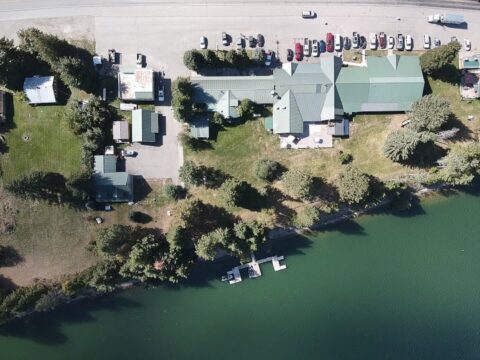
Located along the shoreline of Noxon Reservoir, Lakeside Motel & Resort offers a selection of cabins plus two waterfront cabins and two whirlpool suites designed to accommodate everything from short overnight stays to extended stays. Whether guests are enjoying a vacation or simply passing through the region, these northwest Montana cabins provide both privacy and convenience in a scenic setting.

3203 1631294256 Innroad 21

A Variety of Northwest Montana Cabins for Many Occasions

Lakeside’s northwest Montana cabins are suited to meet the needs of a wide variety of travelers. Guests can choose these accommodations for:

  • Family vacations
  • Family reunions
  • Weddings and wedding guests
  • Honeymoons and anniversaries
  • Corporate retreats
  • Hiking trips
  • Hunting trips
  • Fishing trips
  • Overnight stays while traveling through northwest Montana

The property includes traditional cabins, two waterfront cabins positioned closer to Noxon Reservoir, and two whirlpool suites that offer an added level of comfort. Some cabins at Lakeside can accommodate up to eight guests, making them suitable for larger families or groups traveling together.

By offering multiple cabin configurations and suite options, Lakeside ensures that its cabins can serve both intimate getaways and larger gatherings.

Fully Equipped Kitchens for Extended Stays

One of the defining features of Lakeside’s northwest Montana cabins/suites is the inclusion of fully equipped kitchens in every cabin and suite.

These kitchens allow guests to:

  • Store groceries and manage meals during longer stays
  • Prepare breakfast before heading out for a day of fishing, hunting, hiking, or other activities
  • Cook dinner and share each other’s company after a full day

For family vacations, family reunions, weddings, or corporate retreats, the ability to prepare some or all meals in-cabin can add flexibility and convenience. For extended vacations, this allows guests to settle in and view their cabins as a “home away from home.”

The combination of private kitchens and nearby dining options creates a balanced experience for visitors staying in cabins at Lakeside.

Comfortable Amenities in Every Cabin and Suite

Lakeside’s northwest Montana cabins are equipped with modern amenities designed to provide comfort and connectivity.

Each cabin and suite includes:

  • Satellite television
  • Flatscreen/LCD TVs
  • Free Wi-Fi

Some cabins also feature gas fireplaces, adding warmth and ambiance—especially during cooler evenings in northwest Montana.

With options that accommodate up to eight people, the larger cabins are structured to serve families, groups of friends, and traveling co-workers without sacrificing comfort.

On-Site Dining at Lakeside’s Restaurant

In addition to well-appointed northwest Montana cabins, Lakeside Motel & Resort offers a convenient on-site restaurant. Guests can enjoy breakfast, “all day” menu options, and dinner without leaving the property.

This on-site dining option is especially beneficial for:

  • Vacationing families who would like an easy meal option
  • Family reunion participants who would like a special meal together
  • Wedding guests staying in Lakeside’s cabins
  • Corporate retreat attendees
  • Travelers arriving in the early evening

The presence of an on-site restaurant enhances the convenience of staying in cabins at Lakeside, reinforcing Lakeside as a one-stop lodging destination.

Gift Shop and On-Property Entertainment

Lakeside Motel & Resort also features a gift shop on-site. Guests can browse for souvenirs, essentials, and items that complement their stay in northwest Montana.

For added entertainment, Lakeside hosts Karaoke Night. This feature adds a social element to the experience, especially for groups, family reunions, wedding parties, and corporate retreats. Guests can gather and enjoy an evening of entertainment without needing to leave the property.

These additional amenities can enhance a stay in one of Lakeside’s northwest Montana cabins.

Access to Noxon Reservoir from a Private Dock

A defining feature of staying in northwest Montana cabins at Lakeside Motel & Resort is direct access to Noxon Reservoir.

During warm weather, Lakeside offers pontoon boat rentals from its private dock. Guests can rent pontoon boats and spend time:

  • Fishing
  • Exploring the shoreline and coves
  • Enjoying open water recreation
  • Gathering with family and friends

In addition to boat rentals, Lakeside offers Summer Sunset Cruise Tours on Noxon Reservoir. These tours provide guests with an opportunity to experience the lake from a unique perspective as evening light reflects across the water.

Having a private dock and direct lake access elevates the appeal of these northwest Montana cabins, particularly for family vacations, family reunions, weddings, corporate retreats, and fishing trips.

Outdoor Gathering Spaces Facing the Water

The grounds at Lakeside Motel & Resort face Noxon Reservoir, creating a scenic backdrop for guests staying in Lakeside’s cabins.

On the property grounds, guests will find:

  • Garden fire pits
  • Complimentary firewood provided daily during warmer weather
  • Charcoal grills
  • Gas grills

These features support outdoor cooking and evening gatherings. Families and groups staying in cabins can prepare meals outdoors, sit around the fire pits, and enjoy time together overlooking the reservoir.

For weddings, reunions, and retreats, these outdoor spaces create natural gathering points. For hikers, hunters, and anglers returning after a day outdoors, they offer a relaxed setting to unwind.

The combination of water views, fire pits, and grills reinforces the appeal of Lakeside’s northwest Montana cabins as more than just lodging—they can serve as a central gathering place.

Northwest Montana Cabins for All Types of Travelers

Because Lakeside Motel & Resort offers a range of cabins and suites, the cabins available here serve multiple travel styles:

  • Families on summer vacation
  • Multi-generational family reunions
  • Wedding parties
  • Couples celebrating honeymoons or anniversaries
  • Corporate retreat teams
  • Outdoor enthusiasts pursuing hiking, hunting, or fishing
  • Travelers passing through northwest Montana

With fully equipped kitchens, modern connectivity, on-site dining, entertainment options, and direct lake access, these northwest Montana cabins support both relaxation and recreation.

A Comprehensive Cabin Experience in Northwest Montana

Lakeside Motel & Resort positions itself as a comprehensive lodging option in Trout Creek, and its northwest Montana cabins play a central role in that offering.

Guests benefit from:

  • Flexible cabin sizes that can accommodate from four to eight guests
  • Waterfront cabin options (2)
  • Whirlpool suites (2)
  • Fully equipped kitchens
  • On-site restaurant access
  • Gift shop convenience
  • Karaoke Night entertainment
  • Pontoon boat rentals
  • Summer Sunset Cruise Tours
  • Fire pits and grills facing Noxon Reservoir

Rather than combining multiple separate bookings for lodging, dining, and recreation, guests staying in Lakeside’s northwest Montana cabins can find these in one location. In addition, Lakeside is near attractions such as Thompson Falls State Park, Harlow Ranch Bison Company, and Kootenai Falls and Swinging Bridge.

For those seeking northwest Montana cabins that balance privacy, convenience, recreation, and comfort along Noxon Reservoir, Lakeside Motel & Resort provides a comprehensive experience rooted in its scenic lakefront setting in Trout Creek.

Montana Hiking: 7 Essential Snacks to Fuel Your Adventures near Trout Creek

Noxon Reservoir Montana 2

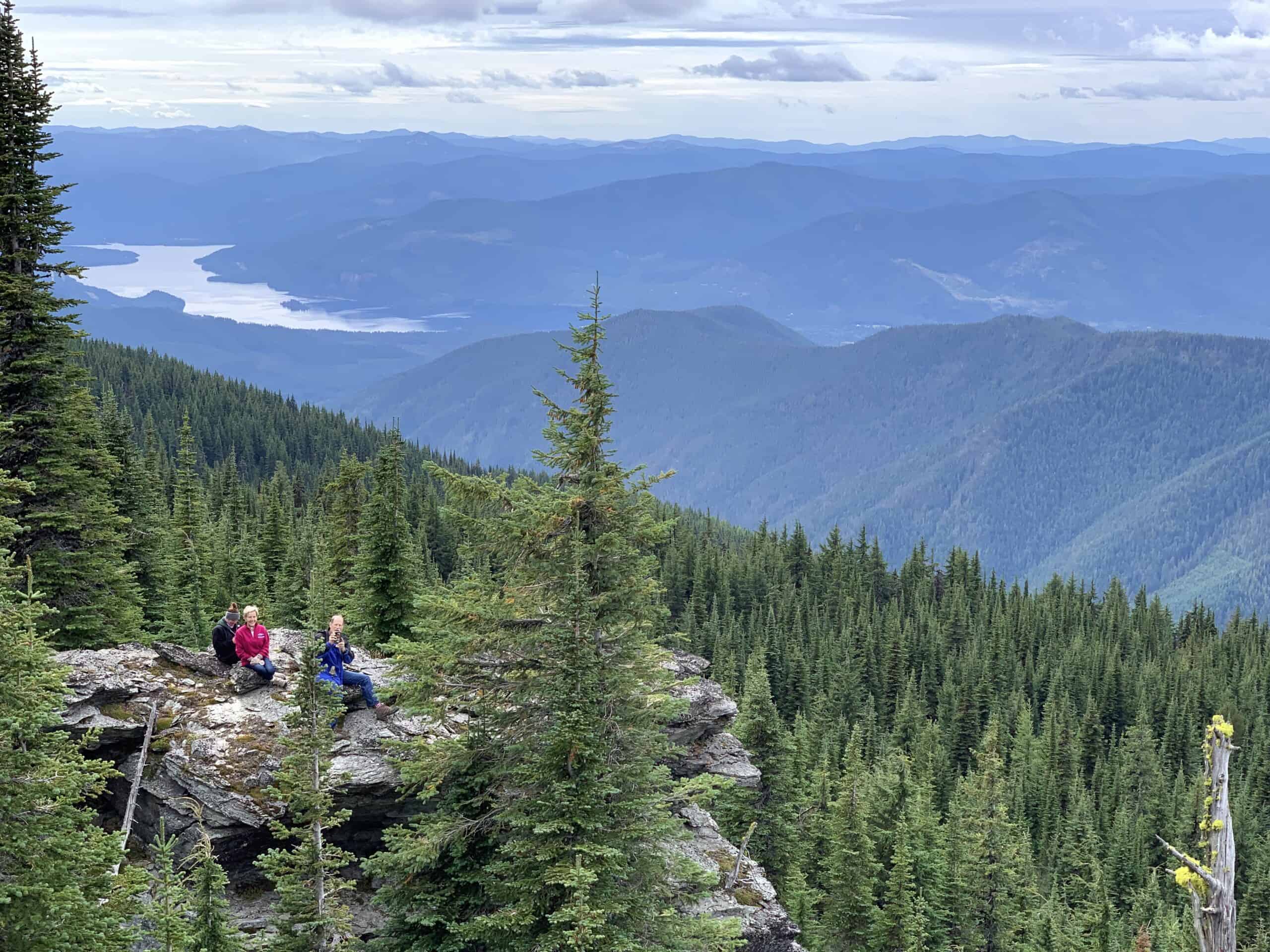
When spring and then summer arrive, Montana hiking rebounds as more and more hikers return to the state’s trails. Spring and early summer days can shift from warm and sunny to cool and rainy as weather fronts pass through. The terrain can vary as well—from smoother, flatter paths at lower elevations to rocky, more challenging routes at higher elevations. Because conditions can change quickly and over a short distance, well chosen hiking snacks can provide the essential energy needed to fuel Montana hiking adventures across a wide range of weather and terrain.

Drawing from guidance provided by KOA, Aspen Valley Health, and REI, here are seven reliable snack ideas to support your Montana hiking experience.

1. Trail Mix / GORP

Trail mix—often called GORP for “granola, oats, raisins, and peanuts” or “good old raisins and peanuts”—is a classic for Montana hiking. Trail mix can include a combination of:

  • Nuts such as peanuts, almonds, or cashews
  • Dried fruits such as raisins or cranberries
  • Seeds such as sunflower or pumpkin seeds
  • Chocolate/carob chips or candy-coated chocolate pieces
  • Pretzel pieces for added crunch

This blend provides a balance of protein, carbohydrates, fiber, and healthy fats. Nuts and seeds contribute sustained energy, while dried fruit and chocolate offer quicker carbohydrate-based boosts. Because it is lightweight, long lasting, and easy to portion, trail mix is especially practical for longer Montana hiking routes where consistent fueling is important.

You can purchase pre-made varieties in stores or create your own mix, adjusting ingredients based on taste and dietary needs.

2. Granola

Granola is another versatile choice for Montana hiking. Granola commonly includes rolled oats, nuts, and a sweetener. Many store-bought options are available, and it can also be prepared at home.

The oats and sweetener provide readily accessible carbohydrates for quick energy, while nuts contribute protein and healthy fats. Granola can be packed in resealable bags for easy access on the trail, eaten by the handful, and mixed into yogurt before a hike.

Because Montana hiking may involve elevation changes and variable temperatures, quick-access snacks like granola can help maintain steady energy levels throughout the day.

3. Nut Butters in Packets

Single-serve nut butter packets are a convenient addition to Montana hiking snack kits. These packets are commonly available in:

  • Peanut butter
  • Almond butter
  • Sunflower seed butter (as an alternative to nut butters)

Nut butters are energy-dense and provide a combination of protein and healthy fats. Their portable packaging makes them easy to carry without worrying about spoilage.

During longer Montana hiking excursions, nut butter can be eaten straight from the packet or spread onto crackers or fruit slices. Because nut butters deliver concentrated energy in a small volume, they are especially helpful when hikers need a sustained boost without carrying bulky food. In its article “Best Snacks to Bring Hiking,” KOA recommends peanut butter and bananas. While the nut butter provides “fuel” and a more savory flavor, the bananas provide sweetness along with potassium that may help hikers avoid muscle cramps. Hikers with peanut allergies may be able to use sunflower seed butter instead.

4. Beef and Vegetarian Jerky

Jerky remains a popular and practical protein source for Montana hiking. Jerky is available in a range of options, including:

  • Beef
  • Turkey
  • Pork
  • Other meats / wild game
  • Vegetarian alternatives such as tofu or mushroom

Jerky offers a significant amount of protein in a shelf-stable form. Protein helps support muscle recovery and can help keep blood sugar stable during the hike.

For Montana hiking routes that include steeper climbs or rocky stretches, jerky provides a convenient way to refuel without stopping for a full meal. Because it is lightweight and easy to pack, it fits well into backpacks of all sizes.

5. Whole Grain Crackers

Whole grain crackers are a simple but effective addition to Montana hiking snack selections. Crackers pair well with other trail foods and provide carbohydrates for energy.

They can be combined with:

  • Nut butter packets
  • Tuna or salmon packets
  • Cheeses such as cheddar or gouda with wax coating

Whole grain varieties may offer additional fiber compared to refined options. On Montana hiking days that stretch across several hours, crackers can help bridge the gap between smaller snacks and larger meals.

Because they are lightweight and versatile, crackers are easy to integrate into a well-rounded trail snack plan.

6. Tuna or Salmon in Packets

Portable tuna and salmon packets can serve as high-protein snack options for outdoor activity. These shelf-stable pouches are convenient.

Tuna or salmon can be eaten on its own or enhanced with small individual condiment packets of mayonnaise or mustard. When paired with whole grain crackers, tuna and salmon create a balanced snack that includes both protein and carbohydrates.

For Montana hiking adventures that require more sustained effort—such as climbing uneven terrain or covering longer distances—these fish packets provide a substantial and satisfying option. Their compact size makes them easy to store in backpacks without taking up significant space.

7. Fresh Fruit and Dried Fruit

Fresh and dried fruits both play valuable roles in Montana hiking snack planning.

Fresh Fruit

Fresh fruit offers natural sugars for energy and can contribute hydration. Fruits that travel well without becoming easily damaged include:

  • Apples
  • Orange slices

These fruits are relatively sturdy and can withstand being carried in a backpack. During warm-weather Montana hiking, fresh fruit can feel refreshing while delivering quick carbohydrate-based energy.

Dried Fruit

Dried fruit provides a concentrated source of energy for its weight, making it ideal for longer Montana hiking outings. Common options include:

  • Raisins
  • Dried Cranberries
  • Dried Apricots
  • Dried Apples
  • Dried Cherries
  • Banana Chips

Because the water content has been reduced, dried fruit is lightweight and easy to carry. It pairs especially well with trail mix and granola.

In its article “The Best Snack Hacks for Any Outdoor Adventure,” REI describes a creative snack idea called “Apple Donuts.” This involves on-trail assembly, cutting apples into round slices, spreading the slices with cream cheese, and topping them with dried cranberries. Hikers can eat around the apple core, or cut out the core as the apple is sliced. This snack combines fresh fruit with protein and healthy fats, creating a balanced and visually appealing option for cool-weather Montana hiking adventures.

Because cream cheese can spoil quickly in warmer temperatures, this snack may be best suited for cooler days (40 degrees F or cooler). The cream cheese could be carried in a cool location in the backpack, and away from direct sunlight. As an alternative during warm spring and summer days, the cream cheese could be substituted with peanut butter or sunflower seed butter.

Fueling Montana Hiking Adventures

Whether you are exploring smoother, lower-elevation paths or venturing onto more rugged terrain, Montana hiking requires thoughtful preparation. The weather can shift, the trail conditions can vary, and elevation changes can demand additional energy. Snacks that combine protein, carbohydrates, fiber, and healthy fats help support sustained performance.

By combining options such as trail mix, granola, nut butter packets, jerky, crackers, tuna or salmon, and fresh or dried fruit, hikers can build a flexible and well-balanced trail menu suited to a range of Montana hiking conditions.


Lakeside Motel & Resort: Your Base Camp for Montana Hiking

After a day on the trails, a comfortable and convenient place to rest makes a meaningful difference. Lakeside Motel & Resort in Trout Creek can serve as a welcoming “base camp” for Montana hiking adventures.

Lakeside offers:

  • Motel rooms for simple, comfortable stays
  • Cabins with fully equipped kitchens, ideal for preparing hiking snacks and meals
  • Two RV sites for travelers who would enjoy a waterfront stay in their RV “home away from home”

Lakeside also features a convenient on-site restaurant serving breakfast, lunch, and dinner. A hearty breakfast can help fuel Montana hiking excursions, while dinner provides a satisfying way to refuel and relax at the end of the day.

Lakeside is near two areas that provide a variety of enjoyable options for northwest Montana hiking:

  • Thompson Falls State Park
  • Kootenai Falls and Swinging Bridge

These nearby destinations offer scenic opportunities that align well with Montana hiking goals. And with flexible lodging options, convenient on-site dining, and proximity to popular outdoor attractions, Lakeside Motel & Resort provides a comfortable starting point for northwest Montana hiking in the Trout Creek area.

As trails start to welcome more hikers in spring and summer, thoughtful snack planning and a reliable “base camp” like Lakeside can help ensure that your Montana hiking experience is energizing and fulfilling.

Sources:
Aspen Valley Health. “Healthy Hiking Snacks to Take on the Trail.” aspenvalleyhealth.org. 30 May 2025 (Published). https://aspenvalleyhealth.org/healthy-journey/healthy-hiking-snacks-to-take-on-the-trail/.
Brown, Ashley (REI Co-op Expert Advice). “The Best Snack Hacks for Any Outdoor Adventure.” rei.com. 13 February 2026 (Accessed). https://www.rei.com/learn/expert-advice/snack-ideas-for-outdoor-adventure.html.
KOA. “Top 8 Healthy Hiking Snack Ideas.” koa.com. 15 August 2022 (Published). https://koa.com/blog/best-hiking-snacks/.

Montana Hiking: Basic Steps on How to Clean, Care for, and Store Hiking Boots for Every Season

Winter can be a good time to clean hiking boots. Maintaining hiking boots is important to safe Montana hiking because the “Big Sky” state holds a wide variety of terrains, and the seasons can bring challenging weather—from heavy rain in the spring to snow and extreme cold in the winter. Hiking boots that are well maintained can provide optimal support, traction, and safety, and they can enhance the overall Montana hiking experience.

This article builds from a previous Lakeside Motel & Resort article, Montana Hiking: Basic Steps on How to Clean, Maintain, and Store Your Backpack before Your Next Adventure. Together, these guides focus on practical gear care so hikers can enjoy Montana hiking across changing seasons and landscapes.

Why Hiking Boots Should Be Cleaned for Montana Hiking

Consistent boot care is a foundational part of Montana hiking preparation. Cleaning hiking boots after trips—and before storing them—serves several important purposes:

  • Prevent material damage. Particles of dirt, grit, sand, or debris can work deeper into a boot’s materials as the boots are worn. Over time, these particles can abrade fabric or leather, reducing durability.
  • Protect leather. As mud dries on leather boots, it can pull moisture away from the leather. This can cause the leather to prematurely age and, in some cases, crack—especially problematic for Montana hiking, where weather and terrain vary widely and sturdy reliable boots are essential.
  • Maintain traction. Dried, caked-on mud can reduce the traction of a boot’s outsole, which may affect footing on rocky trails, wet surfaces, or steep terrain common in Montana hiking areas.
  • Reduce odor and microbial growth. During hiking, feet can perspire and give off heat. This can create a warm, damp environment inside boots that allows bacteria and fungus to grow and produce odors.
  • Limit the spread of invasive plants. Dried dirt and mud can harbor seeds from invasive plants. Without cleaning, these seeds could be spread while hiking in different locations—in-state, out-of-state, or internationally.
  • Protect your investment. As a bottom line, hiking boots can be expensive. Consistent maintenance helps prolong the life of the boots and preserves their optimal performance for future Montana hiking trips.

Please Note: The following information for cleaning hiking boots is general information intended to provide an effective gentle cleaning that does not compromise the integrity of the boots’ structure, fabrics, materials, and components. The cleaning steps are for boots that can be safely cleaned with soapy water and rinsed under clean running water. Before beginning a cleaning, please read the manufacturer’s care instructions carefully, and if they differ from steps given here, please follow the manufacturer’s instructions.

Implements that Can Be Used to Clean Hiking Boots

Cleaning boots for Montana hiking does not require specialized equipment. Common household items and basic outdoor gear care products are often sufficient:

  • A boot brush, an old clean vegetable or kitchen brush, or an old clean toothbrush
  • A clean washing cloth
  • A boot cleaner formulated for the type of boots being cleaned, saddle soap, or a mild solution of dishwashing liquid and clean water

Steps for Cleaning Hiking Boots

Following a consistent cleaning process helps keep boots ready for future Montana hiking adventures.

  1. Remove laces and insoles. Taking these out allows better access to exterior and interior surfaces and ensures more thorough cleaning.
  2. Brush off dried dirt and mud from the uppers. Use a brush to remove loose, dried debris from the outside of the boots.
  3. Clean the outsoles. Use a brush—vigorously if needed—to remove dirt, mud, pebbles, and other debris from the outsoles. For especially stubborn dirt, the outsoles can be dampened or briefly soaked and then carefully sprayed with a garden hose.
  4. Wash exterior and interior surfaces. Using a brush, toothbrush, or cloth with an appropriate cleanser, clean both the outside and inside surfaces of the boots.
  5. Clean the insoles separately. Insoles could be washed on their own using the same brush or cloth and cleanser.
  6. Rinse thoroughly. Rinse boots and insoles with clean water to remove all cleanser residue, which can otherwise affect materials over time.

This step-by-step approach supports long-term performance and comfort during Montana hiking, over a variety of trail conditions.

Applying Treatments While Boots Are Damp

Once boots are clean and still damp, certain treatments may be applied—if allowed by the manufacturer’s care instructions.

  • Full-grain “smooth” leather boots. If leather appears dry or cracked, a conditioner may be applied while the boots are still damp. Conditioning can help keep leather moisturized and pliable. However, excess conditioner may compromise the structural support the boots provide.
  • “Rough” leather boots (suede or nubuck). Some rough leather boots can be re-waterproofed using treatments formulated specifically for these materials.

Important Note: Only apply conditioning or waterproofing products if they are allowed in the manufacturer’s care guidelines. Read and follow the products’ application instructions carefully. Proper treatment can help ensure boots remain reliable for Montana hiking in wet or variable conditions.

Steps for Drying Hiking Boots

Correct drying is critical after cleaning, especially for boots used in Montana hiking, where moisture from snow, rain, and stream crossings is common.

  • Choose the right environment. Place boots and insoles in a location with “normal” or “room” temperature and low humidity. Avoid areas that are extremely hot, cold, or damp. If drying outdoors, keep boots out of direct sunlight.
  • Speed drying safely. Indoors, a fan can be used to blow air on the boots. Boots may also be stuffed with newspaper to absorb moisture. With newspaper less common nowadays, clean paper towels could serve as an alternative. Replace the newspaper sheets or paper towels as they become soaked.
  • Maintain boot shape. Stuffing with newspaper or paper towels can help boots retain their shape while drying. Near the end of the drying process, remove the stuffing so the interior can dry completely.

Steps for Storing Hiking Boots

Proper storage supports long-term durability and readiness for future Montana hiking trips.

  • Once boots are completely dry, reinsert the insoles and lace up the boots.
  • Store boots in a clean, dry, well-ventilated location that is away from direct sunlight.
  • Avoid areas with extreme hot or cold temperatures or high humidity.

Things to Avoid When Caring for Hiking Boots

Certain practices can shorten the lifespan of hiking boots and reduce their effectiveness for Montana hiking:

  • Avoid washing machines and dryers unless explicitly allowed by the manufacturer. Hot water, spin cycles, and detergents in washing machines, along with dryer heat and tumbling, can break down adhesives and compromise stitching.
  • Do not use bar soaps or harsh detergents when handwashing boots. These products can damage leather and waterproof membranes.
  • Avoid direct heat sources when drying. Fireplaces, campfires, wood stoves, radiators, and heaters may damage adhesives, stitching, and leather components.
  • Do not store boots in extreme environments. Garages, attics, basements, or other locations with temperature swings, high humidity, or direct sunlight can degrade boot materials over time.

Lakeside Motel & Resort: A Base Camp for Northwest Montana Hiking

For travelers planning Montana hiking adventures near Trout Creek, Lakeside Motel & Resort can serve as an ideal base camp. After long days on the trail, having a comfortable and convenient place to return to makes preparation and recovery easier.

Lakeside offers a variety of lodging options, including motel rooms, cabins with fully equipped kitchens, and two RV sites. An on-site restaurant provides breakfast, lunch, and dinner, making it easy to fuel up before or after a day of Montana hiking.

Lakeside is also well positioned for exploring regional outdoor destinations as summer approaches, including Thompson Falls State Park and Kootenai Falls and Swinging Bridge. With well-maintained gear and a comfortable home base, visitors can focus on enjoying the trails, the scenery, and the sense of adventure that define Montana hiking.

Sources:
Asplund, Troy (Columbia). “How to Clean Hiking Boots: A footwear designer explains how to take proper care of your trail shoes.” columbia.com. 4 February 2026 (Accessed). https://www.columbia.com/how-to-clean-hiking-boots.html.

Cavanaugh, Rachel (Columbia). “Stinky Shoes 101: How to Get Rid of Hiking Boot Odor.” columbia.com. 4 February 2026 (Accessed). https://www.columbia.com/eliminating-hiking-boot-odor.html.

Henkes, Beth, Keri Hyytinen, Rick Meade (REI Co-op Expert Advice). “How to Clean Hiking Boots.” rei.com. 3 February 2026 (Accessed). https://www.rei.com/learn/expert-advice/caring-hiking-boots.html.

Knapp, Ken (REI Co-op Expert Advice). “How to Do End-of-Summer Gear Care.” rei.com. 3 February 2026 (Accessed). https://www.rei.com/learn/expert-advice/end-of-summer-gear-care.html.

The North Face. “How to Clean and Care for Your Hiking Boots.” thenorthface.com. 18 March 2025 (Published). https://www.thenorthface.com/en-us/approach/how-to-clean-and-care-for-your-hiking-boots.

REI Co-op Expert Advice. “How to Care for Leather Hiking Boots.” rei.com. 3 February 2026 (Accessed). https://www.rei.com/learn/expert-advice/how-to-care-for-leather-hiking-boots.html.

Montana Hiking: Basic Steps on How to Clean, Maintain, and Store Your Backpack before Your Next Adventure

Where is trout creek montana

Winter can be an excellent time to clean, maintain, and repair hiking gear. For those planning future Montana hiking adventures, maintaining a backpack is especially important. Montana’s “Big Sky” climate can include significant rainfall during spring, heavy snowfall during winter and extremely cold temperatures. A well-maintained backpack helps protect critical hiking essentials and ensures that gear remains reliable and accessible when embarking on Montana hiking trips throughout the year.

Backpacks are among the most important pieces of equipment for Montana hiking, carrying food, water, layers, navigation tools, and safety items. Proper care during the off-season and between treks helps extend the life of the pack and preserves its performance in the varied and often demanding conditions found across Montana.

Why a Backpack Should Be Cleaned

Regular cleaning is a key part of caring for gear used for Montana hiking. Over time, backpacks accumulate dirt, oils, and residues that can degrade materials if left untreated.

Salts from sweat and oils from skin are commonly absorbed into shoulder straps and hip belts. Grease from cooking splatters and mud from hiking in wet conditions can also soak into pack fabrics. Sweat, oil, and grease attract dirt and grit, which—along with dried mud—can slowly abrade fabric fibers and stitching.

In addition, sweat residue and body oils may clog breathable materials and promote the growth of bacteria, mold, and mildew. This is particularly relevant for Montana hiking, where packs may be exposed to moisture, snow, and cold temperatures that limit drying during trips.

Zippers are another area of concern. Sand, dust, and debris can become lodged in zipper teeth, making zippers difficult to open and close. Over time, this buildup can shorten the lifespan of zippers or cause failures in the field.

Finally, hiking gear represents a financial investment. Consistent maintenance helps prolong the life of a backpack and preserves its intended performance, which is essential for safe and enjoyable Montana hiking experiences.

Please Note: The following information for giving a backpack a light cleaning and a deep cleaning is general information intended to provide an effective gentle cleaning that does not compromise the integrity of the backpack’s structure, fabrics, materials, and components. The deep cleaning steps are for backpacks that can be cleaned by submerging in water. Before beginning a light or deep cleaning, please read the manufacturer’s care instructions carefully, and if they differ from steps given here, please follow the manufacturer’s instructions. These instructions may be found on the backpack’s label, the manufacturer’s website, or attained by calling the manufacturer’s customer service.

Implements that Can Be Used to Clean a Backpack

In general, cleaning a backpack does not require harsh chemicals or specialized equipment. In fact, gentle tools are preferred to protect fabrics and coatings commonly used in Montana hiking packs.

Useful cleaning implements include:

  • A mild soap with limited additives and no fragrances, such as castile soap; alternatively, a cleaner formulated specifically for hiking gear
  • Cool and lukewarm water
  • A soft, clean sponge
  • A soft, clean washcloth
  • A clean brush with soft nylon bristles
  • A used, soft, clean toothbrush for small or detailed areas

These tools allow dirt and residue to be removed while minimizing wear on pack materials.

An Important Idea to Keep in Mind when Cleaning a Backpack

Many backpacks used for Montana hiking may include protective or water-resistant/waterproof coatings on the fabric and sometimes on the zippers. These coatings help repel moisture from rain, snow, and wet vegetation.

Aggressive scrubbing, strong soaps or detergents, and exposure to high heat—such as hot water or tumble drying—can damage or strip away these coatings. Cleaning should be gentle, controlled, and done with materials and methods that preserve the backpack’s protective features.

Steps for Giving a Backpack a Light Cleaning

A light cleaning is often sufficient after routine Montana hiking trips and can be done without fully immersing the pack in water.

  1. Remove all contents and check each compartment, pocket, and pouch to ensure the pack is completely empty.
  2. Turn the pack upside down and gently shake it to dislodge loose dirt, sand, debris, and food particles.
  3. Use a vacuum to remove particles lodged in seams, pockets, and crevices. Dried dirt or mud can be loosened by gently scrubbing with a soft cloth or brush before vacuuming.
  4. Wipe interior surfaces with a soft sponge dampened with clean, cool or lukewarm water.
  5. Gently scrub the exterior with the sponge and a small amount of soap, focusing on areas with visible stains or heavy soil.
  6. Rinse soap from the exterior using the sponge and clean, cool or lukewarm water.
  7. Hang the pack to dry in a well-ventilated indoor area. In warmer weather, it may be hung outdoors in a shaded location. Prolonged exposure to direct sunlight can weaken fabrics over time.

This process keeps a backpack fresh and functional for continued Montana hiking use.

Steps for Giving a Backpack a Deep Cleaning by Hand Washing (For Backpacks that Can Be Submerged in Water)

For packs that have seen extensive use during Montana hiking seasons, a deeper cleaning may be appropriate.

  1. Remove all contents and confirm that all compartments, pockets, and pouches are empty.
  2. If the design allows, remove shoulder straps, hip belts, and other detachable components. These can be cleaned separately with a soft sponge, mild soap, and clean water.
  3. If applicable, remove the metal frame and set it aside.
  4. Turn the pack upside down and gently shake out loose dirt, sand, debris, and food particles.
  5. Vacuum seams, pockets, and crevices. Dried soil can be loosened with gentle scrubbing before vacuuming.
  6. Pre-treat heavily stained or soiled areas using a soft cloth or brush and lukewarm soapy water.
  7. Fill a bathtub, large sink, or container with approximately six inches of lukewarm water and add a small amount of mild soap. Submerge the pack and gently swish it. Use a soft sponge for interior surfaces and a soft brush or sponge for exterior areas.
  8. Drain the wash water and refill with clean, cool water to rinse. This step may be repeated to ensure all soap residue is removed. Alternatively, the pack may be rinsed under clean, cool running water and then if needed, submerged in clean, cool water to remove any remaining soap.
  9. Hang the pack to dry in a well-ventilated indoor area or outdoors in the shade during warm weather. Leave all compartments and zippers open so moisture can escape. For faster drying indoors, clean towels can be placed inside the pack and a fan positioned nearby.

This thorough process restores cleanliness while preserving the materials needed for reliable Montana hiking performance.

Inspecting and Storing a Backpack after Cleaning

Once a backpack is clean and fully dry, inspection and proper storage are essential.

Before storing, examine the pack for wear or damage. Pay close attention to seams, zippers, and straps. Minor repairs can often be addressed before the next Montana hiking season or trek, and some manufacturers offer professional repair services.

Store the pack in a cool, dry, well-ventilated area away from direct sunlight. Basements, attics, and locations with extreme temperature swings or high humidity should be avoided, as these conditions can degrade fabrics and encourage mold growth.

Backpacks should be stored in a non-compressed state to preserve their shape as well as the padding in shoulder straps and back panels. The pack may be stored upright or hung by its top haul loop, with straps left loose rather than tightened.

Proper storage ensures that gear is ready when the next Montana hiking opportunity arises.

Lakeside Motel & Resort: A Base Camp for Montana Hiking Adventures

After gear is cleaned and ready, the next step is planning where to stay. Lakeside Motel & Resort can serve as a “base camp” for Montana hiking near Trout Creek, Montana.

Lakeside offers a variety of lodging options to accommodate different group sizes and travel styles, including comfortable motel rooms, cabins with fully equipped kitchens, and two RV sites.

An on-site restaurant provides added convenience, serving breakfast, lunch, and dinner—ideal for fueling up before or winding down after Montana hiking excursions.

Lakeside is also located near key outdoor destinations, including Thompson Falls State Park and Kootenai Falls and Swinging Bridge, both of which become fully accessible as summer approaches. These areas offer scenic trails, river views, and memorable hiking experiences that showcase the natural beauty Montana is known for.

With clean gear, a well-maintained backpack, and a comfortable “base camp,” visitors are well prepared to enjoy the many opportunities that Montana hiking has to offer. Lakeside Motel & Resort provides the lodging, dining, and location that help turn a hiking trip into a complete Montana outdoor experience.

Sources:
Knapp, Ken (REI Co-op Expert Advice). “How to Do End-of-Summer Gear Care.” rei.com. 28 January 2026 (Accessed). https://www.rei.com/learn/expert-advice/end-of-summer-gear-care.html.
REI Co-op Expert Advice. “How to Clean a Backpack.” rei.com. 28 January 2026 (Accessed). https://www.rei.com/learn/expert-advice/backpack-how-to-clean.html.
ULA Equipment. “How to Properly Wash and Store Your Backpack after Camping.” ula-equipment.com. 2 October 2024 (Published). https://www.ula-equipment.com/2024/10/02/how-to-properly-wash-and-store-your-backpack-after-camping/.

Northwest Montana Lodging: Lakeside Motel & Resort Provides Comprehensive One-Stop Accommodations

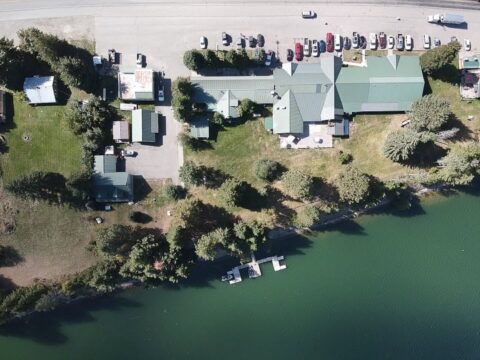
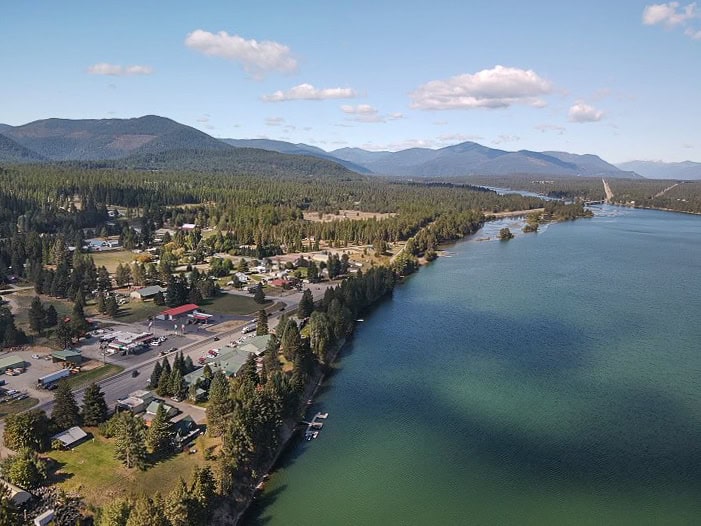
When planning northwest Montana lodging that combines scenic beauty, diverse accommodations, and on-site amenities all in one place, Lakeside Motel & Resort in Trout Creek, Montana, delivers a full-service experience for couples, families, groups, and outdoor enthusiasts alike. Nestled on the shoreline of Noxon Reservoir with mountain vistas and waterfront access, Lakeside offers a memorable base for exploring the vast outdoor wonders of northwest Montana, while providing conveniences and activities that make each stay enjoyable and relaxing.

LakesideMisc 19

Flexible Accommodations: From Motel Rooms to Cabins with Fully Equipped Kitchens

A hallmark of Lakeside’s appeal as northwest Montana lodging is its wide selection of accommodations tailored to different guest needs. Whether you’re seeking a comfortable night’s rest after a day of adventure or a longer stay with space to spread out, Lakeside has options that deliver comfort and convenience.

The motel rooms at Lakeside are just a short distance from the water’s edge on Noxon Reservoir, offering cozy, well-appointed spaces with modern amenities like satellite TV, free Wi-Fi, mini-refrigerators, and microwaves. These rooms provide an ideal home base for travelers who want easy access to both the resort’s offerings and the natural attractions beyond.

For guests who prefer more room and residential-style living, Lakeside’s cabins and suites provide fully equipped kitchens, seating areas, and premium comforts that make longer stays or family vacations practical and enjoyable. These cabins range from quaint waterfront units to suites with multiple beds, making them ideal for gatherings, family trips, or group retreats.

In addition, Lakeside offers two waterfront RV sites with full hookups for electricity (30 amp and 50 amp), water (city), and sewer. Lakeside provides propane gas fill and rentable showers for convenience.

Across all accommodation types, guests benefit from thoughtful touches designed to enhance their northwest Montana lodging experience: private boat dock access, garden fire pits with complimentary firewood, charcoal and gas grills for outdoor cooking, and an on-site laundromat. These features make it easy to enjoy lakeside living and the stunning Montana scenery right outside your door.

On-Site Dining: A Restaurant for Breakfast, “All Day” Fare, and Dinner

One of the conveniences that sets Lakeside apart as northwest Montana lodging is its on-site restaurant and bar. Open daily with extended evening hours on select days, the restaurant offers breakfast to start your day, “all day” menu options for mid-day or evening meals, and satisfying dinner choices. Diners can savor satisfying meals without having to leave the property after a long day of driving or exploring the region.

Whether you’re fueling up before a day on the reservoir or unwinding with a relaxing dinner, the restaurant’s convenient location makes meal planning simple and stress-free for resort guests. Its presence is especially helpful for families and groups who want to streamline their northwest Montana lodging itinerary without dependency on off-site dining.

On-Site Gift Shop and More

Beyond dining and lodging, Lakeside also features an on-site gift shop, offering a curated selection of souvenirs, essentials, and Montana-themed items to commemorate your stay. Having a gift shop right on the property enhances the ease of northwest Montana lodging, so guests can pick up keepsakes, travel needs, or last-minute items conveniently without leaving the resort.

Other on-site offerings, highlighted by visitor reviews and resort information, include a bar and lounge area, plus an entertainment space, that all contribute to the full-service atmosphere.

Entertainment and Social Nights: Karaoke Night

Lakeside’s entertainment calendar further elevates the northwest Montana lodging experience. One enjoyable activity is Karaoke Night, where guests of all ages are invited to grab the mic, sing their favorite tunes, and share laughs in a lively social setting. This event provides guests with a fun, memorable evening without the need to venture far from their accommodations.

Karaoke Night reflects Lakeside’s commitment to creating vibrant social opportunities that bring together visitors from different walks of life, making the resort not just a place to stay, but a community hub where good times and connections happen.

Water Activities: Pontoon Boat Rentals and Summer Sunset Cruise Tours

A defining feature of northwest Montana lodging at Lakeside is its waterfront access to Noxon Reservoir, a vast body of water ideal for fishing, boating, and scenic exploration. During the warm-weather months, guests can take advantage of pontoon boat rentals directly from Lakeside’s private dock. These rentals make it easy to experience Montana’s lake life firsthand, whether you’re fishing for local species, cruising along calm waters, or discovering hidden coves.

For guests looking for a more guided and relaxed outing, Lakeside also hosts Summer Sunset Cruise Tours. These seasonal excursions invite you aboard a comfortable pontoon boat as the sun dips toward the horizon. With the sky’s vibrant hues reflecting on the tranquil water, these cruises offer a serene way to end a day at northwest Montana lodging, creating unforgettable memories against one of the region’s stunning natural backdrops.

The Sunset Cruise Tours are designed as a communal experience, where guests can unwind and take in the sweeping scenery, making them a highlight of staying at Lakeside.

Exceptional Grounds and Outdoor Amenities

The resort’s grounds face Noxon Reservoir, offering panoramic views that underscore the beauty of northwest Montana lodging. Whether you’re relaxing on your cabin porch, walking near the waterfront, or sharing a meal outside, the tranquil setting enhances your stay.

Throughout the grounds, Lakeside has outfitted outdoor spaces with guest-friendly amenities like garden fire pits that come with complimentary firewood in warmer weather, as well as gas and charcoal grills for cookouts. These features allow guests to gather under the big Montana sky—whether enjoying late-night conversations around the fire or grilling a family meal in the early evening.

These outdoor elements foster connection and relaxation, allowing guests to take advantage of Lakeside’s natural setting while engaging in Montana outdoor living.

Nearby Attractions

For guests seeking nearby adventures, Lakeside is close to the following sites that contribute fun, inspiration, and learning to the northwest Montana lodging experience:

Thompson Falls State Park: This state park is approximately 20 miles southeast of Lakeside, and can be reached by a 25- to 30-minute drive on MT-200 E. The park is on 36 acres that include mature, mixed pine forest and is open March to October. Some of the many activities the park offers are: fishing from a family fishing pond; river fishing; boating, canoeing, and motor boating; swimming; going on nature walks; hiking; and picnicking.

Kootenai Falls and Swinging Bridge: This attraction in the Kootenai National Forest is approximately 58 miles northwest of Lakeside, and can be reached by around an hour’s drive on MT-200 W and MT-56 N. Kootenai Falls is one of the largest free flowing waterfalls in the northwest U.S., and the main falls are 30 feet high and can be viewed from the swinging bridge. The first swinging bridge was built in 1937 by the Civilian Conservation Corps. The bridge has been repaired and rebuilt over the years, and the most recent version of the bridge was completed in 2019. The falls and bridge have become a very popular attraction in northwest Montana.

Harlow Ranch Bison Company: This ranch is approximately 23 miles southeast of Lakeside, and can be reached by a 25- to 30-minute drive on MT-200 E. Tours are given by appointment and weather permitting. Guests ride in the cab and also in the protected back of a truck and can watch as the bison are fed. Guests are welcome to take pictures and ask questions as they learn about bison.

Visiting these nearby attractions can amplify and enhance your northwest Montana lodging experience.

A Central Hub for Northwest Montana Adventures

Choosing Lakeside Motel & Resort for your northwest Montana lodging places you in a location with immediate access to outdoor adventure and scenic attractions. Whether you’re motivated by hiking trails in nearby forests, fishing spots on the reservoir, or scenic day trips through Montana’s mountains and valleys, Lakeside delivers a home base that is both central and serene.

At Lakeside, guests don’t merely find a place to sleep—they discover an integrated lodging experience where accommodations, amenities, activities, and natural beauty converge. From comfortable cabins with kitchens to memorable evenings on the water, to nearby excursions, this multifaceted resort invites you to make the most of your northwest Montana lodging getaway.

For more information about accommodations, activities, and reservations at Lakeside Motel & Resort, visit mtlodging.com.

Sources:
Forest Service U.S. Department of Agriculture (USDA). “Kootenai Falls and Swinging Bridge.” fs.usda.gov. Updated 14 April 2025. https://www.fs.usda.gov/r01/kootenai/recreation/kootenai-falls-and-swinging-bridge.
Harlow Ranch Bison Co. “Book a Bison Experience.” harlowranch.com. 22 January 2026 (Accessed). https://harlowranch.com/ranch-tours.
Montana FWP (Fish, Wildlife and Parks). “Thompson Falls State Park.” fwp.mt.gov. 22 January 2026 (Accessed). https://fwp.mt.gov/thompson-falls.

Corporate Retreat Timeline: Basic Planning for a Retreat that Connects, Inspires, and Motivates

When organized with a corporate retreat timeline, a retreat can provide important benefits for companies and organizations of all sizes. Planned well, a retreat can help re-energize employees, build stronger connections and trust among team members, reinforce alignment with the overall mission, and create meaningful career development opportunities. At the same time, holding a retreat can be complex, with many moving parts and important lead times. Following a clearly defined corporate retreat timeline with sufficient time built in can improve coordination, reduce stress, and result in a retreat that truly connects, inspires, and motivates participants.

Industry guidance on retreat planning consistently emphasizes starting early, securing budgets and approvals up front, and timing decisions so they are not rushed. The following general corporate retreat timeline is designed to reflect these practices and provide a realistic planning framework that companies and organizations can adapt to their size, goals, and travel needs.

Please Note: This corporate retreat timeline is presented as a basic generalized timeline for a medium-to-large retreat (approximately 50 participants). Depending on the company’s or organization’s size, the number of attendees, the distance from their work/home base, and the retreat’s time of year, the timeline may be adjusted with shorter lead times. The lead times given here are intended to provide optimal ranges of options for each aspect of the retreat as well as cost savings where possible.

12+ Months before the Retreat: Foundation and Approvals

The earliest phase of a corporate retreat timeline can focus on strategy and internal alignment. This is the stage where higher level decisions are made and formal approval is secured.

At this point, a clear retreat plan can be developed to define the purpose of the retreat, the intended outcomes, and the general structure. Common goals discussed in retreat-planning guidance include relationship building, collaboration, team alignment, commitment to the overall mission, and skill/career development. Once the plan is drafted, it should be reviewed and approved by leadership.

A retreat budget also can be developed during this phase and submitted for approval. Building the budget early allows planners to make informed decisions later in the corporate retreat timeline and avoid last-minute compromises. Depending on the scope of the retreat, a comprehensive budget may include:

  • Venue and lodging costs, particularly if the retreat is held out of town
  • Conference facilities, such as meeting rooms, work spaces, breakout spaces, and potential outdoor areas
  • Conference technology, including reliable Wi-Fi and audiovisual equipment
  • Fees for guest speakers, workshop facilitators, activity leaders, or other external participants
  • Onsite team-building activities
  • Offsite activities and excursions
  • Transportation, such as airline flights, car rentals, and shuttle services
  • Meals and beverages throughout the retreat

By addressing these elements early in the corporate retreat timeline, companies and organizations establish realistic expectations around cost, logistics, and scope.

12 Months before the Retreat: Dates, Location, and Booking

Roughly one year out, the corporate retreat timeline moves into a phase centered on commitment and reservation.

Setting the retreat dates and location early offers several advantages. Employees can block the time on their calendars well in advance, reducing scheduling conflicts and improving attendance. For retreats that require air travel, early date selection also allows employees or planners to secure flights earlier, often with more choices and potentially lower fares.

Once the dates and location are selected, planners begin researching and booking the venue and lodging. Popular venues may be booked one to two years in advance, making early action a critical part of a successful corporate retreat timeline. Booking early can increase the likelihood of securing the desired venue, ensure that sufficient lodging/rooms are available for the group, and create opportunities to negotiate discounted group rates based on current pricing.

8 to 6 Months before the Retreat: Programming and Save-the-Dates

As the corporate retreat timeline progresses into the eight-to-six-month window, attention shifts toward programming and participant communication.

During this phase, booking can be done for guest speakers, workshop facilitators, activity leaders, and any offsite venues needed for excursions or special events. Some retreat-planning guides note the importance of securing retreat contributors early, particularly if they are in high demand or require travel coordination.

Save-the-date announcements can be sent to employees at this stage. While the full agenda may not yet be finalized, early communication helps attendees plan travel, childcare, and work coverage, contributing to higher engagement and smoother logistics later in the corporate retreat timeline.

6 to 4 Months before the Retreat: Transportation Planning

Transportation becomes a primary focus in this portion of the corporate retreat timeline. Depending on the retreat’s location and structure, this may include booking airline flights, arranging car rentals, or scheduling shuttle services between airports, lodging, and activity sites.

Handling transportation several months in advance reduces the risk of limited availability and rising costs. It also provides time to coordinate arrival and departure schedules so that the retreat begins and ends smoothly for all participants.

4 to 3 Months before the Retreat: Meals and Dietary Planning

Meals play a significant role in the retreat experience and are addressed next in the corporate retreat timeline. During the four-to-three-month window, meals can be arranged with the retreat venue, lodging provider, or offsite restaurants.

One of the key benefits of planning meals early is opening a line of communication with food service providers. This allows sufficient time to gather information on meal preferences and accommodate special dietary needs. Retreat-planning guidance notes that, depending on the provider, an optimal window for confirming dietary requirements may be one month to two weeks before the event. Starting the conversation earlier ensures those needs can be met without disruption.

3 to 2 Months before the Retreat: Agenda Development

At this stage of the corporate retreat timeline, the retreat’s structure begins to take final shape. The program/agenda can be set, balancing work sessions, workshops, team-building activities, offsite excursions, meals, entertainment, and free time.

Effective retreat planning resources emphasize the importance of balance. A well-designed agenda supports productivity and learning while also allowing time for informal interaction and rest. Establishing this balance two to three months in advance gives planners time to adjust pacing, coordinate facilitators, and align logistics with retreat goals.

1 Month before the Retreat: Finalization and Confirmation

The final month before the retreat is dedicated to confirmation and preparation within the corporate retreat timeline.

During this phase, the program/agenda is finalized and shared internally. Companies and organizations can order retreat swag, such as T-shirts, ball caps, or tote bags, and place orders for any printed materials needed during sessions or activities.

Please Note: If the number of retreat participants is large (50+ attendees), if the retreat is held out of town or out of state, or if more time would be needed for assembling registration/gift bags, the retreat swag and printed materials can be ordered earlier, three to two months in advance.

Lodging assignments, meals and dietary accommodations, and transportation arrangements can be confirmed. Planners also can check in with speakers, facilitators, and activity leaders to ensure everyone is aligned on schedules, preparation requirements, and expectations.

1 Week before the Retreat: Communication and Final Checks

The final week is the last checkpoint in the corporate retreat timeline. The completed program/agenda can be distributed to attendees and external participants. Planners can check in with the venue, lodging providers, and local transportation contacts to confirm final details.

Speakers, facilitators, and activity leaders are contacted again with updates, reminders, and any last-minute information needed for retreat preparation. These final touchpoints help reduce uncertainty and ensure a smooth on-site experience.

Hosting a Corporate Retreat at Lakeside Motel & Resort

Following a structured corporate retreat timeline becomes even more effective when paired with a venue that supports both planning flexibility and on-site execution. Lakeside Motel & Resort can serve as a corporate retreat venue in northwest Montana, offering a setting that supports connection, focus, and inspiration.

Lakeside features grounds that face scenic Noxon Reservoir and showcase Montana’s natural beauty. During warmer months, these outdoor spaces can be used for team-building activities, workshops, and informal gatherings. The property also includes conference facilities suitable for indoor sessions and can function as a reliable “Plan B” location if weather conditions change unexpectedly.

Accommodations at Lakeside include both motel rooms and cabins, allowing organizers to host a range of group sizes and accommodate different lodging preferences. An on-site restaurant provides breakfast, lunch, and dinner for retreat attendees and has the capability to cater meals for corporate retreat events, supporting seamless coordination within the corporate retreat timeline.

In addition, Lakeside’s location places it near regional attractions that can enhance retreat programming. Nearby destinations such as Thompson Falls State Park and Kootenai Falls and Swinging Bridge offer hiking opportunities, while River’s Bend Golf Course and Harlow Ranch Bison Company provide additional options for group excursions.

By combining a well-paced corporate retreat timeline with a venue that supports lodging, meetings, dining, and recreation in one location, companies and organizations can create a retreat experience that is organized, engaging, and memorable for each attendee.

Sources:
Lá Fora. “Debunking the Timeline Myths: When to Really Start Planning Your Offsite.” lafora.com. 18 October 2024 (Published). https://lafora.com/company-retreat-planning-timelines/.
Mulligan, De-de (Guest Author, Smart Meetings). “Company Retreat Planning 101: 8 Elements for a Great One.” 4 January 2023 (Published). https://www.smartmeetings.com/tips-tools/147434/company-retreat-planning-101-8-elements-for-a-great-one.
The Offsite Co. “Planning a Team Building Retreat: Timeline, Budget, and Best Practices.” theoffsiteco.com. 15 January 2026 (Accessed). https://www.theoffsiteco.com/news/planning-a-team-building-retreat.
Oléron, Morgane (Campfire Company). “Retreat Planning Timeline: How Early Should You Start?” campfire-company.com. 17 October 2025 (Published). https://www.campfire-company.com/blog/retreat-planning-timeline-how-early-should-you-start.

Family Reunion Timeline: A Basic Step-by-Step Planning Guide Focused on the Essentials

Planning a family reunion can require a significant amount of time, effort, and energy. Starting early and following a clear family reunion timeline helps organize responsibilities, manage costs, and reduce stress for everyone involved. With advance preparation and steady communication, a family reunion timeline can turn a complex event into a smooth, enjoyable gathering that results in a happy and successful reunion for family members of all ages.

Drawing from established event-planning guidance and family reunion resources, the following family reunion timeline outlines key milestones from the earliest planning stages through the final week before the event. This structure helps ensure nothing is overlooked and that responsibilities are shared across the family.

2 Years to 18 Months before the Reunion

The earliest phase of a family reunion timeline focuses on organization, input, and research.

  • Form a reunion committee and subcommittees.
    Establish a core planning group and delegate responsibilities to subcommittees such as budget, fundraising, communications and social media, meals, activities, entertainment, keepsakes, and cleanup. Dividing responsibilities early prevents burnout and improves follow-through.
  • Send a family survey.
    Gather feedback from family members on preferred dates, possible locations, activity interests, and acceptable cost per person. Surveys also help ensure the reunion reflects the needs and interests of multiple generations.
  • Create a family contact list or database.
    Begin compiling email addresses, phone numbers, and mailing addresses. The initial survey can be used to collect or update this information, forming the foundation for consistent communication throughout the family reunion timeline.
  • Create a web page or social media group.
    A centralized online location allows for updates, reminders, photos, and shared excitement as planning progresses.
  • Begin researching locations and vendors.
    Early research helps identify venues that can accommodate group size, lodging needs, meal options, and activity space.
  • Start thinking about activities, entertainment, and keepsakes.
    Brainstorm ideas such as games, shared meals, memorabilia, and intergenerational activities that support connection.
  • Consider whether fundraising is needed or feasible.
    Fundraising can help offset costs and make attendance more affordable for a wider range of family members.

1 Year before the Reunion

At the one-year mark, the family reunion timeline shifts from research to commitments.

  • Choose reunion date(s) and location.
    Use survey feedback to finalize the schedule and destination.
  • Set the budget and cost per person.
    Confirm anticipated expenses and determine how costs will be shared.
  • Reserve accommodations.
    Reserving a block of accommodations well in advance helps guarantee availability and may provide discounted rates for attendees.
  • Negotiate with vendors and attractions.
    Inquire about group discounts with caterers, service providers, and attraction sites.
  • Decide on communication methods.
    Determine whether updates will be shared through email, social media, a website, or a combination of methods.
  • Finalize activities, entertainment, and keepsakes.
    Confirm plans so details can be communicated clearly.
  • Send save-the-dates.
    Early notice helps family members plan time off and arrange travel.
  • Begin fundraising activities if needed.
    Fundraisers can occur periodically throughout the remaining months of the family reunion timeline.

9 Months before the Reunion

This phase of the family reunion timeline focuses on commitment and participation.

  • Send formal invitations with an RSVP deadline.
    A clear RSVP deadline can help give planners a reliable preliminary attendee count and help planners make accurate arrangements.
  • Recruit volunteers from the family.
    Assign helpers for registration, activities, meals, entertainment, and keepsakes.
  • Begin designing printed materials.
    Start work on the reunion program, name badges, signage, and any other materials that will be needed on-site.

6 Months before the Reunion

At six months out, the family reunion timeline emphasizes confirmation and production.

  • Begin collecting payments or contributions.
    Early collection supports budgeting and vendor deposits.
  • Finalize the reunion schedule.
    Share the schedule with attendees and update the program that is still in the design phase.
  • Order keepsakes.
    Items such as T-shirts, hats, or tote bags require lead time for production and delivery.
  • Send a reunion reminder.
    Follow up with family members who have not yet responded.

3 Months before the Reunion

The family reunion timeline now moves into detailed coordination.

  • Finalize menus and meal plans.
    Confirm arrangements for planned meals and ensure accommodations for special dietary needs.
  • Set cleanup plans.
    Identify when and how cleanup will occur and recruit volunteers.
  • Send another reunion reminder.
    Continued communication helps maintain participation and enthusiasm.

1 Month before the Reunion

The final month of the family reunion timeline focuses on readiness.

  • Print programs, name badges, and signage.
    Ensure all materials are complete and ready for use.
  • Follow up on RSVPs and payments.
    Confirm final attendance numbers.
  • Check in with the accommodations site.
    Verify lodging readiness and room assignments.
  • Assemble participant/gift bags.
    If used, prepare these in advance.
  • Send a final reminder.
    Provide last-minute details and arrival information.

1 Week before the Reunion

The last week of the family reunion timeline is about confirmation and enjoyment.

  • Conduct a final check-in with the accommodations site.
  • Confirm details with vendors.
  • Touch base with family volunteers.
  • Test audiovisual or electronic equipment.
  • Prepare to enjoy time together and create lasting memories.

Lakeside Motel & Resort as a Family Reunion Venue in Northwest Montana

Following a well-structured family reunion timeline is especially effective when paired with a venue designed to support group gatherings. Lakeside Motel & Resort offers a setting well suited for family reunions in northwest Montana.

Lakeside Motel & Resort features grounds that face Noxon Reservoir and showcase Montana scenery. During warm weather months, these outdoor spaces can be used for family games, group activities, and informal gatherings that take advantage of the natural setting.

In addition to outdoor areas, Lakeside offers conference facilities that can serve as a location for indoor activities. These spaces also provide a reliable “Plan B” option if weather conditions change unexpectedly, ensuring the family reunion timeline stays on track regardless of conditions.

Accommodations at Lakeside include both motel rooms and cabins, allowing flexibility for different family sizes and preferences. All cabins feature fully equipped kitchens, giving guests the option to prepare some meals themselves while still participating fully in reunion activities.

Lakeside also offers the convenience of an on-site restaurant that serves breakfast, lunch, and dinner for guests staying at the property. The restaurant is capable of catering special family reunion meals, simplifying planning and reducing the need for off-site coordination.

Beyond the property, Lakeside’s location provides access to nearby attractions that can be incorporated into a family reunion timeline. Outdoor enthusiasts may enjoy hiking opportunities at Thompson Falls State Park or visiting Kootenai Falls and Swinging Bridge. Golfers can plan an outing to River’s Bend Golf Course, while those interested in local agriculture and history may visit Harlow Ranch Bison Company.

By combining a detailed family reunion timeline with a venue that supports lodging, meals, activities, and backup planning, Lakeside Motel & Resort can help families host a well-organized and memorable reunion in northwest Montana.

Sources:
Moeller, Susan (AARP). “A Family Reunion Checklist to Keep Planning on Track.” aarp.org. 1 June 2022 (Published). https://www.aarp.org/family-relationships/event-planning-checklist/.
National Family Reunion Planning Institute. “Family Reunion Planning.” nationalfamilyreunioninstitute.net. 8 January 2026 (Accessed). https://nationalfamilyreunioninstitute.net/countdown%2Ftimeline.

Montana Wedding Timeline: A Practical Planning Guide for a Memorable Celebration

Planning a wedding, whether large or small, can be a challenge. For couples in “Big Sky” country, a Montana wedding timeline that includes special considerations for ceremonies in the state can be helpful. As with any wedding there can be many details to coordinate, decisions to make, and schedules to manage. However, by planning the steps and details well in advance, the process can be smoother and more organized, resulting in an event that can produce memories to last a lifetime. A clear Montana wedding timeline can help couples stay focused, avoid last-minute stress, and enjoy the journey leading up to their wedding day.

Montana offers dramatic scenery, distinct seasons, and a wide range of venue options, all of which make advance planning especially important. Using a structured Montana wedding timeline ensures that key decisions are made early and that seasonal considerations are taken into account. Below is a basic Montana wedding timeline that outlines common planning milestones and tasks, adapted from established wedding-planning guidance and Montana-specific considerations.

montana wedding timeline

2 Years to 1 Year before the Wedding

The earliest stage of a Montana wedding timeline focuses on foundational decisions. These choices shape nearly every other planning step.

Decide the Date, Time, and Location

One of the first and most important steps is selecting the wedding date, time, and location. Montana wedding venues can become booked well in advance, especially during popular months. Booking a venue at least one year ahead can help ensure your preferred location is available.

Seasonal conditions play a major role in venue selection within a Montana wedding timeline. The following season descriptions were taken from an earlier Lakeside article, Planning a Beautiful Elopement in Montana with 10 Basic Steps:

  • Spring: Wildflowers and foliage begin to return, and some mountain peaks may still be covered in snow, creating dramatic scenery. However, weather can be rainy, terrain may be muddy, and some roads, trails, and businesses may not yet be open.
  • Summer: Long, sunny days offer excellent lighting and accessibility. Roads, trails, and businesses are generally fully open, and high-elevation lakes and waterfalls are typically thawed by early to mid-July. Popular locations may be busier during this season.
  • Fall: Cooler temperatures, crisp air, and colorful foliage provide a striking atmosphere. Early snowfall is possible and may affect access to certain locations, making backup plans an important part of the Montana wedding timeline.
  • Winter: Snow-covered landscapes can feel intimate and romantic. Cold temperatures and snowfall may limit travel and access, and some roads, trails, and businesses may be closed for the season.

Establish Core Planning Decisions

During this period, couples should:

  • Decide the number of guests and wedding attendants.
  • Determine the wedding style, such as formal or informal, traditional or modern, civil or religious/spiritual.
  • Choose an officiant, if applicable.
  • Set a realistic budget.
  • Decide whether to hire a wedding planner or consultant.
  • Research Montana marriage license requirements. General details are provided in this article’s “3 Months to 1 Month before the Wedding” section.
  • Select ceremony attendants (if desired).
  • Begin interviewing and booking vendors such as the photographer/videographer, caterer, baker, and florist.
  • Research and consider honeymoon destinations.

These early steps provide structure and clarity for the rest of the Montana wedding timeline.

12 to 9 Months before the Wedding

As the Montana wedding timeline moves forward, planning becomes more detailed and logistical.

Key tasks during this phase include:

  • Completing vendor interviews and signing contracts.
  • Beginning to choose wedding attire (as applicable, wedding gown, bridesmaids’ dresses, and suits).
  • Creating a master guest list with names and contact information (addresses, phone numbers, email addresses).
  • Opening gift registries and tracking received gifts while sending timely thank-you notes.
  • Making honeymoon reservations if travel plans are decided.

Finalizing vendors early allows couples to focus on personalization and guest experience later in the timeline.

9 to 6 Months before the Wedding

This stage of the Montana wedding timeline emphasizes securing accommodations and communicating with guests.

Tasks to complete include:

  • Ordering wedding attire and arranging suit rentals.
  • Planning and booking accommodations for out-of-town guests and wedding attendants.
  • Ordering save-the-dates, invitations, announcements, and related printed materials.
  • Scheduling the rehearsal and rehearsal dinner if applicable.
  • Beginning menu planning for the reception, including food and beverage service style.

Accommodations are especially important in Montana, where venue locations may be more remote. Early planning helps ensure availability for guests/attendants.

6 to 3 Months before the Wedding

This period of the Montana wedding timeline focuses on communication and final selections.

Couples should:

  • Send save-the-dates.
  • Meet with the officiant to finalize ceremony details and rehearsal plans.
  • Prepare invitations and announcements for mailing.
  • Choose and order wedding rings, including engraving if desired.
  • Select gifts for attendants and for each other.
  • Provide rehearsal dinner hosts with a list of participants/guests and their contact information for invitations.

Attention to detail during this phase helps ensure a cohesive event experience.

3 Months to 1 Month before the Wedding

As the wedding day approaches, coordination becomes more hands-on within the Montana wedding timeline.

Important steps include:

  • Applying for and receiving the marriage license. Here is general information on a standard marriage license in Montana:
    • Know where to Apply for the License. Licenses are applied for at, and are issued by, county clerk of district court offices in Montana.
    • Complete the Application. The couple should complete an application form for the marriage license. Depending on the county, the form may be available as an online form that should be completed before the couple appears at the district court clerk’s office, or it may be available as a fillable PDF.
    • Arrange for an Officiant. The couple will need to have arranged for a qualified officiant to perform the ceremony. The officiant will be listed in the application. The officiant’s qualifications do not need to be provided to the district court clerk’s office. A qualified officiant would include: a judge of a court of record, a public official whose powers include solemnization of marriages, a mayor, a city judge, a justice of the peace, an authorized notary public, a tribal judge, “or in accordance with any mode of solemnization recognized by any religious denomination, Indian nation or tribe, or native group.” (Montana Code Annotated 2023, 40-1-301)
    • Blood Tests Are Not Required. Blood tests are not required in obtaining a marriage license.
    • Appear at the County Office Together. Generally the couple should appear together at the district court clerk’s office with valid photo ID and payment ($53, at this article’s revision on 01/06/2026).
    • Receive the Marriage License. The marriage license should be issued the same day as application, and is immediately valid and will remain valid for 180 days. The license can be used for a marriage ceremony in any county in the state of Montana.
    • Witnesses Are Not Required. Witnesses are not required for the ceremony or to sign the marriage license.
    • Return the Marriage License. Within 30 days following the ceremony, the (signed) license should be returned to the district court clerk’s office that issued the license, for recording.
    • Request Copies of the Marriage License. Regular or certified copies of the license can be provided to the couple via specific communication according to the district court clerk’s office. Examples include (depending on the office): coming to the office, mailing a written request for license copies, and emailing a request for license copies.
    • Please Note: The above information is general. Contact the district court clerk’s office you plan to obtain your license from, for exact information. Procedures for obtaining a standard marriage license may vary slightly from county to county.
  • Mailing wedding invitations 8 to 6 weeks before the wedding.
  • Coordinating reception details such as table layouts, linens, place settings, décor, and floral arrangements with the venue manager, caterer, and florist.
  • Completing final attire fittings and confirming suit rentals.
  • Scheduling hair, makeup, and nail appointments as needed.

At this stage, most major decisions are finalized, allowing couples to focus on execution.

Within 1 Month of the Wedding

The final stage of the Montana wedding timeline centers on confirmation and preparation.

Tasks include:

  • Sending rehearsal dinner reminders.
  • Finalizing the seating plan for the reception and confirming details with all vendors.
  • Meeting with the photographer/videographer to discuss expectations and key moments.
  • Preparing wedding announcements for mailing after the ceremony.
  • Creating a step-by-step schedule for the wedding day.

A clear schedule helps ensure that everyone involved understands their role and timing.


A Montana Wedding Timeline at Lakeside Motel & Resort

A well-planned Montana wedding timeline pairs naturally with a venue that offers flexibility, scenery, and guest accommodations. Lakeside Motel & Resort can serve as a wedding venue in northwest Montana, providing options that align with both planning and seasonal considerations.

Lakeside features grounds that face Noxon Reservoir and showcase Montana’s natural beauty. During warmer months, these outdoor grounds can serve as a ceremony site, offering scenic views that complement the Montana wedding timeline’s emphasis on season and setting. In the event of unexpected weather changes, Lakeside also has conference facilities that can function as a backup “Plan B” ceremony location.

Accommodations are another important component of a Montana wedding timeline. Lakeside offers both motel rooms and cabins, allowing couples to host guests of varying group sizes. The cabins include fully equipped kitchens, giving guests the option to prepare some of their own meals during their stay.

Lakeside also features a convenient on-site restaurant that can provide breakfast, lunch, and dinner for wedding guests staying on the property. The restaurant is capable of catering a wedding reception dinner, helping streamline vendor coordination and simplify the planning process.

For couples planning a honeymoon or extended stay, Lakeside’s location offers access to outdoor attractions such as Thompson Falls State Park and Kootenai Falls and Swinging Bridge, both of which provide opportunities for hiking and sightseeing. These nearby destinations complement a Montana wedding timeline that extends beyond the ceremony into a relaxed and scenic honeymoon experience.

A thoughtfully planned Montana wedding timeline helps couples manage details, consider seasonal conditions, and enjoy the planning process. When paired with a flexible venue like Lakeside Motel & Resort, the Montana wedding timeline becomes not just a checklist, but a pathway to a meaningful and memorable celebration in northwest Montana.

Sources:
The Emily Post Institute Inc. (A Family Business). “The Emily Post Guide to Planning a Wedding.” emilypost.com. 1 January 2026 (Accessed). https://emilypost.com/advice/wedding-planning-series.
Gallatin County Website, Marriage License. gallatinmt.gov. 5 January 2026 (Accessed). https://www.gallatinmt.gov/clerk-district-court/pages/marriage-license.
Moll, Charles (Charles Moll Photography). “The Ultimate 12-Month Montana Wedding Checklist.” charlesmoll.com. 28 June 2023 (Published), 17 July 2024 (Last Updated). https://charlesmoll.com/montana-wedding-checklist/.

Chicken Fried Steak: A Craveable Comfort Food in Montana during the Holidays and throughout the Year

Many meals during the holidays naturally include comfort foods like chicken fried steak—dishes that are familiar, filling, and closely tied to regional traditions. During the holidays, travelers often find themselves eating at restaurants along the road and at the homes of relatives and loved ones they are visiting. In Montana, one comfort food that appears consistently on lists of popular local dishes is chicken fried steak. As highlighted in the Lakeside Motel & Resort article 5 Popular Montana Foods to Enjoy during the Holidays and Year-Round, chicken fried steak is a staple that reflects both regional heritage and hearty home-style cooking.

This article explores the history, naming, preparation, and variations of chicken fried steak, and explains why the dish remains a meaningful part of Montana’s food culture—especially for holiday travelers seeking something warm, familiar, and satisfying.

A Brief History of Chicken Fried Steak in the United States

The exact origin of chicken fried steak is not definitively known, but generally, the dish may have developed in the United States during the nineteenth century. Some sources connect its roots to European culinary traditions brought by immigrants, especially those from German-speaking regions.

Between 1844 and 1850, German and Austrian immigrants settled across the American Midwest and South. These communities brought with them dishes such as Wiener schnitzel—a breaded, pan-fried cutlet traditionally made from veal. Over time, immigrant cooks may have adapted familiar preparation methods to ingredients that were more accessible and affordable in their new environment.

In the United States, particularly in beef-producing regions, tougher and less expensive cuts of beef were used. These cuts could be tenderized, breaded, and fried in a similar manner. Some of this adaptation may have occurred in the Texas Hill Country, where German immigrant communities were established and beef was plentiful.

By the late 1800s, dishes resembling modern chicken fried steak had become common in Texas, Oklahoma, western Louisiana, and possibly Kansas—areas closely associated with cattle ranching and beef production. Over time, the dish spread throughout the South and Midwest, becoming a defining feature of regional comfort food.

European and Global Influences

While Wiener schnitzel is often cited as a direct “ancestor” of chicken fried steak, the dish also shares similarities with other European preparations. Scottish/Scotch collops, which (according to some recipes) consist of thin slices of meat dipped in batter, breaded, then fried, and Italian cotoletta alla milanese, a tenderized and breaded veal or pork cutlet fried until crisp, reflect parallel traditions of breading and frying meat.

These similarities underscore a broader pattern in food history: immigrant communities adapting Old World techniques to New World ingredients. Chicken fried steak is best understood not as a single imported recipe, but as an American dish shaped by multiple cultural influences and local conditions.

The Uncertain Origins of the Name

Just as the exact origin of chicken fried steak is unclear, so too is the origin of its name. The dish does not contain chicken, but the term “chicken fried” refers to the cooking method—preparing beef in the same manner traditionally used for fried chicken.

During the 1800s, recipes resembling chicken fried steak appeared in American cookbooks under a variety of names. One of the earliest known examples is found in The Virginia Housewife (1824) by Mary Randolph, which included recipes that may be considered forerunners of the modern dish.

The phrase “chicken fried steak” itself did not become standardized until much later. According to the Oxford English Dictionary, the earliest known use of the modern name appears in a restaurant advertisement published on June 19, 1914, in the Colorado Springs Gazette. By the 1920s and 1930s, recipes explicitly labeled “chicken fried steak” began appearing in major newspapers, including the Los Angeles Times in 1924 and the Winnipeg Free Press in 1936.

By World War II, the name “chicken fried steak” was widely accepted and commonly used across the United States, particularly in diners and roadside restaurants serving travelers.

A Basic Timeline

Here is a timeline based on one provided in an article on chicken fried steak from What’s Cooking America, with some additions:

  • 1824 — Recipes for beef preparations that may be considered early forerunners of the chicken fried steak appear in The Virginia Housewife by Mary Randolph.
  • 1844–1850 — German immigrants settle in Texas and perhaps adapt Wiener schnitzel for the tougher cuts of beef available to them.
  • Late 1800s — Regional cookbooks include recipes for potential forerunners of chicken fried steak. Examples include Mrs. Porter’s New Southern Cookery Book (1871), Buckeye Cookery and Practical Housekeeping (1877), and Housekeeping in Old Virginia (1879).
  • 1911 — According to an account or story, the chicken fried steak was invented by accident at a café in Lamesa, Texas. Short-order cook Jimmy Don Perkins is said to have confused two separate orders, one for chicken and one for fried steak, as a single unusual order, resulting in the chicken fried steak.
  • June 19, 1914 — The name “chicken fried steak” appears in a Phelps restaurant ad in the Colorado Springs Gazette. This may be the earliest known occurrence of the dish’s name in print.
  • 1920s–1930s — Newspaper recipes help popularize and standardize the name and preparation.
  • World War II era — Chicken fried steak becomes firmly established as a regional American comfort food.
  • April 19, 1988 — Oklahoma designates an Official State Meal that includes chicken fried steak.
  • April, 2011 — The first annual Chicken Fried Steak Festival is held in Lamesa, Texas, to honor the one-hundredth anniversary of the account/story in which Jimmy Don Perkins is described as having invented the chicken fried steak. Lamesa prizes its title as “The Legendary Home of the Chicken Fried Steak” given by the Texas state legislature in 2011, and the festival now includes a hot-air balloon rally.
  • October 26, 2011 — The Texas House of Representatives declares October 26 as Texas Chicken Fried Steak Day.
  • Late 20th century to present — The dish continues nationwide as a staple in restaurants, diners, cafés, and home kitchens.

This timeline reflects how chicken fried steak evolved gradually, shaped by immigration, regional agriculture, and changing dining habits.

How Chicken Fried Steak Is Prepared

The preparation of chicken fried steak follows a straightforward but specific process. The following describes one method:

A thin cut of beef—perhaps round or cube steak—is tenderized to break down muscle fibers. The steak is then dredged in seasoned flour, dipped in an egg and milk mixture, and coated again in the seasoned flour. Once breaded, the steak is fried in hot oil. The result is a tender interior surrounded by a crispy crust. Traditionally, the steak is served with gravy made from pan drippings, pan “crispies,” flour, salt, pepper, and milk.

This method reflects practical cooking traditions, emphasizing both flavor and efficiency. The technique allowed cooks to transform tougher cuts of beef into very satisfying meals, an approach well suited to both home kitchens and roadside restaurants.

Variations

Although chicken fried steak follows a recognizable pattern, several variations exist, particularly in how the steak is cooked and what type of gravy is served.

Chicken Fried Steak vs. Country-Fried Steak

When the steak is deep-fried and served with a white “cream” or milk gravy, it may often be called chicken fried steak. When the steak is pan-fried rather than deep-fried and served with brown gravy, it may often be referred to as country-fried steak. The distinction is not universal, but may be commonly recognized in many regions.

Meal Timing

While chicken fried steak is most commonly served as a lunch or dinner entrée, it is also popular as a breakfast dish in parts of the Midwest. In breakfast settings, it may be paired with eggs, fried potatoes, or biscuits, reinforcing its role as a hearty comfort food.

Regional Preferences

Different regions emphasize different gravies, seasonings, and side dishes. Despite these variations, the core elements—breaded beef, frying, and gravy—remain consistent.

Chicken Fried Steak and Montana Comfort Food

In Montana, chicken fried steak holds a special place among comfort foods. It appears consistently on lists of popular Montana dishes and is commonly associated with cafés, diners, and lodge-type restaurants that serve travelers and locals alike. Its hearty nature aligns well with Montana’s climate and outdoor-oriented lifestyle, especially during colder months and holiday travel seasons.

For travelers crossing the state during the holidays, chicken fried steak offers familiarity and warmth—a dish that feels like home, whether someone is visiting from another part of Montana or arriving from out of state.


Lakeside Motel & Resort: A Welcoming Rest Stop for Holiday Travelers

Located in northwest Montana, Lakeside Motel & Resort serves as a welcoming rest stop for holiday travelers navigating busy roads and winter conditions. Lakeside offers both traditional motel rooms and cabins, accommodating a wide range of group sizes and travel needs.

All cabins at Lakeside include fully equipped kitchens, allowing guests to prepare some meals for themselves when desired—an option that can be especially helpful for families or longer stays during the holidays.

In addition to lodging, Lakeside features a convenient on-site restaurant that serves breakfast, lunch, and dinner. For in-state travelers, the menu may provide a familiar “taste of home.” For out-of-state visitors, it offers approachable comfort food that fits naturally into a holiday journey.

Notably, Lakeside serves chicken fried steak for both breakfast and dinner, making it easy for guests to enjoy this classic Montana comfort food morning or evening. Whether starting the morning with a hearty meal or winding down after a long drive, travelers can find warmth, familiarity, and satisfaction in a plate of chicken fried steak.

A Holiday Tradition on the Road

As holiday travel brings people together across long distances, meals become an important part of the journey. In Montana, chicken fried steak stands out as a dish that reflects history, cultural exchange, and regional identity. From its immigrant roots to its modern role as a diner staple, chicken fried steak remains a symbol of comfort and continuity.

For those traveling through northwest Montana during the holidays, Lakeside Motel & Resort offers not only a place to rest, but also a chance to enjoy enduring comfort food—served fresh, familiar, and ready to make the road feel a little more like home.

Sources:
Lanin, Colleen (Colleen Travels Between). “10 Popular Montana Foods and Drinks (You Must Try!).” travelsbetween.com. 5 September 2024 (Published). https://travelsbetween.com/popular-montana-foods/.
Olver, Lynne (The Food Timeline). “Chicken Fried Steak.” foodtimeline.org. 24 December 2025 (Accessed), 26 August 2024 (Last Updated). https://www.foodtimeline.org/foodmeats.html#countryfriedsteak.
Taylor, Forrest (Texas State Historical Association). “The History and Preparation of Chicken-Fried Steak.” tshaonline.org. 30 March 2010 (Published). https://www.tshaonline.org/handbook/entries/chicken-fried-steak.
Weaver, Bobby D. (Oklahoma Historical Society). “Chicken-Fried Steak.” okhistory.org. 24 December 2025 (Accessed). https://www.okhistory.org/publications/enc/entry?entry=CH039.
What’s Cooking America. “Chicken Fried Steak History and Recipe.” whatscookingamerica.net. 24 December 2025 (Accessed). https://whatscookingamerica.net/beef/chickenfriedsteak.htm.
Wikipedia. “Chicken-fried steak.” wikipedia.org. 14 October 2025 (Last Edited). https://en.wikipedia.org/wiki/Chicken-fried_steak.